


What do you picture when you hear that someone has been blessed? A healthy family, a secure home, the bills paid? Then Jesus goes up into a mountain, as God once spoke His law from Sinai, and says, “Blessed are they that mourn.”
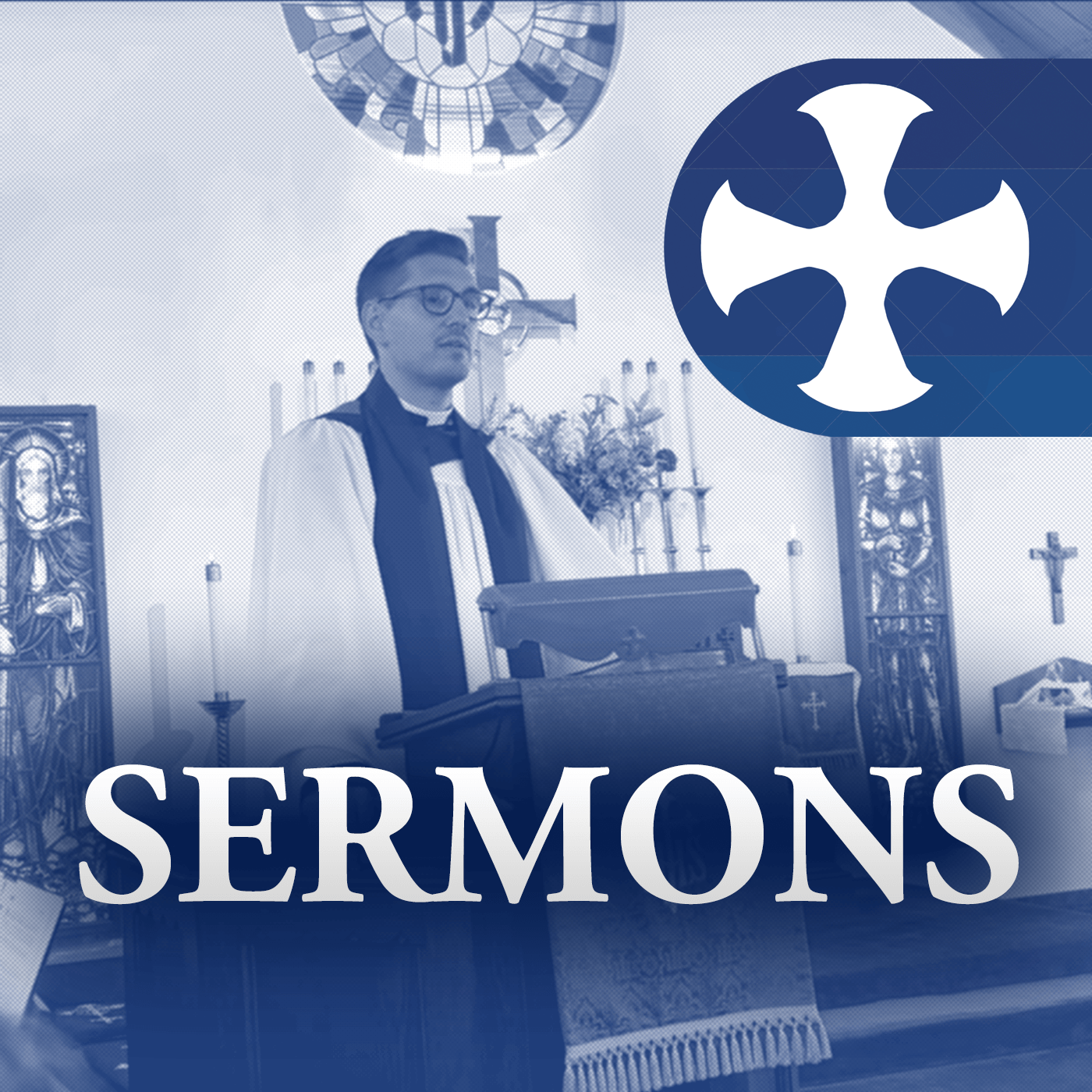
On All Saints’ Day, Fr. Steve Macias preaches on the Beatitudes as the words of the Lawgiver Himself. The same Christ who spoke the covenant blessings through Moses in Deuteronomy 28 now sits among His disciples and teaches “as one having authority, and not as the scribes.” He tells us who is truly blessed, and He begins with those who have nothing.
Preacher: Fr. Steve Macias
Occasion: All Saints’ Day
Scripture: St. Matthew 5:1–12; Revelation 7:2–12
Four Things from This Passage
- Christ secures the inheritance; the Beatitudes describe its heirs. Blessing in Scripture is not a vague religious feeling. Deuteronomy 28 promises real goods: “Blessed shalt thou be in the city, and blessed shalt thou be in the field,” blessed in the fruit of the womb, the field, the basket and the store. Christ did not come to abolish those promises but to fulfil them. The new covenant is not thinner than the old; it is heavier, richer, and more abundant. “Blessed are the meek: for they shall inherit the earth.”
- Empty hands receive the kingdom. The poor lack wealth, the mourners lack life, the hungry lack bread. The Beatitudes move from emptiness to fullness. With Matthew Henry, Fr. Steve calls poverty of spirit an honesty before God: we stop presenting our church attendance, our catechism, or our confirmation as though they could settle the divine account. Christ blesses those who confess they have nothing to offer.
- Grace forms the family likeness. “Blessed are the merciful: for they shall obtain mercy.” Those whom Christ fills begin to resemble Him. Mercy, purity, and peacemaking are the likeness His Spirit forms in the children of God. This is why there is no neutral ground and no mediocre Christianity: obedience brings blessing, in our giving, our worship, our marriages, and every part of life.
- The saints have no other foundation. The saints we honor were not saved by their own merit, but by the doing and dying of Christ. We come to His Table the same way: “We do not presume to come to this thy Table, O merciful Lord, trusting in our own righteousness.” We bring no bread or wine of our own. We kneel, we surrender, and we receive.
The Beatitudes do not deny that Christians suffer hunger, injustice, grief, and death. They promise that Christ will heal, restore, and renew what has been lost, and so they end not with resignation but with a command: “Rejoice, and be exceeding glad: for great is your reward in heaven.” His enemies will be made His footstool.
So come to Him with empty hands. Look honestly at your week, your home, and your heart. Where obedience is lacking, confess it, and come to the Table to be filled. Blessed are the poor in spirit: for theirs is the kingdom of heaven.
Join us for worship at Saint Paul’s Anglican Church, 101 N El Monte Ave., Los Altos, on Sundays at 10:30 AM, with a fellowship meal after the service. Plan your visit.
